

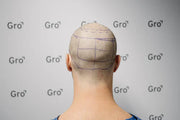







Many people assume a hair transplant requires weeks off work. While this may be true for older methods, such as strip-based procedures, advancements in minimally invasive techniques now allow for significantly reduced recovery time. At Gro Clinics, we offer a modern approach to follicle implantation designed with comfort and healing in mind.
Why Recovery Times Differ Between Techniques
The amount of time needed to recover from a hair restoration procedure depends on multiple factors:
1. Preparation
Understanding your pre-operative instructions and following them properly helps reduce the risk of side effects such as swelling or infection. This preparation can influence how quickly you resume normal activities.
2. Extraction Method
- FUT (strip) procedures involve incisions and sutures, which may require 1–2 weeks of downtime.
- Traditional FUE often uses motorised tools that can increase scalp trauma.
- At Gro, we use a specialised extraction method with manual tools under 1mm in diameter, reducing tissue damage.
3. Implantation Technique
Some clinics create slits in the scalp before placing the grafts. This can increase healing time and limit the ability to control depth, angle, and density. Gro’s approach involves direct implantation without prior incisions, allowing for precision and faster recovery.
4. Post-Procedure Care
Access to structured post-operative care and follow-up appointments is essential. Gro provides a complete care plan, including written instructions and clinical support at every stage.
How to Minimise Time Off Work
To reduce recovery time and the need for extended time away from work, consider the following:
- Choose a minimally invasive procedure that avoids incisions or head shaving
- Ensure the procedure is performed or overseen by experienced doctors
- Follow all pre- and post-care instructions
- Work with a clinic that prioritises patient education and aftercare
The Gro Micro-Transplant Approach
Gro’s hair restoration method involves a refined manual extraction technique and direct implantation process. Grafts are stored in a temperature-controlled environment and handled using instruments designed to support follicle survival. The procedure is performed by or under the supervision of a doctor to maintain quality and safety.
In most cases, clients can return to routine activities—including work—the following day. However, individual recovery can vary, and results depend on clinical suitability and adherence to aftercare protocols.
Consultation and Clinical Guidance
All consultations are conducted by a Hair Growth Advisor. During your session, they will assess your goals, hair characteristics, and lifestyle to determine the best approach—whether that includes treatment at one of our clinics or non-invasive solutions such as prescription hair care.
Gro Clinics Locations
To find out whether you’re a suitable candidate, book your consultation or ask a question.