

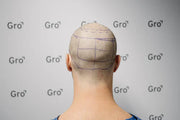







Many people notice that while their facial hair continues to grow thicker, the hair on their scalp begins to thin. This difference can be confusing—but it’s common and backed by science. Hormones, genetics, and follicle sensitivity all play a role in how and where hair grows. Below, we break down the biological reasons behind this pattern and explain options available for managing hair loss.
The Hormonal Role in Hair Growth
Hormones—particularly testosterone and its by-product dihydrotestosterone (DHT)—have a significant influence on hair follicles. While DHT helps stimulate facial hair growth during puberty, it can also contribute to hair thinning on the scalp in some people.
Why Do Scalp and Beard Follicles Respond Differently?
- Scalp hair follicles may be more sensitive to DHT, leading to progressive thinning or shorter hair strands over time.
- Facial hair follicles typically respond positively to DHT, resulting in thicker beard growth.
This explains why someone might grow a dense beard while also experiencing a receding hairline or thinning crown.
Genetics and Hair Growth Patterns
Inherited traits influence how your follicles respond to DHT. If androgenetic alopecia (commonly known as male pattern hair loss) runs in your family, you may be more likely to experience scalp thinning—even if your facial hair continues to grow.
Facial hair growth patterns also vary by genetics and may not follow the same progression as scalp hair loss.
Aging and Follicle Sensitivity Over Time
With age, hormonal levels change. Many people begin to notice shifts in their hair density as they enter their 30s and beyond. These changes often include continued beard growth alongside reduced scalp hair volume.
Options to Help Manage Hair Thinning
Hair loss can feel challenging, but there are clinically supported strategies available. If appropriate, a doctor may recommend a combination of non-invasive and procedural approaches. At Gro Clinics, these may include:
- Prescription hair care for clients who may benefit from medical treatment options
- Doctor-performed hair transplant procedures using Gro’s Precise Follicle Placement (PFP) method
- Initial consultations with a Gro advisor to assess suitability for treatment
- Assistance exploring superannuation access for hair transplant in eligible cases
Gro Clinics: A Doctor-Led Approach
Gro Clinics offers consultations with trained hair growth advisors, followed by procedures carried out or overseen by qualified doctors. Each treatment plan is developed with a focus on clinical appropriateness, personalised care, and ongoing support.
Clients are provided with educational information about hair loss and guided through the options that may be suitable for their condition. When appropriate, treatments may include procedural options or medical therapies under doctor supervision.
Clinic Locations Across Australia and New Zealand
Gro Clinics operates in major cities, giving you access to a team of doctors and advisors in:
To explore your options, you can book a consultation online or call us on 1300 787 563.