








Key Takeaways
Baldness, hair loss and shedding refer to excessive hair loss of the scalp. Hair loss is completely natural and can occur at any age, but it is most common in people in their 60s. Some causes of baldness are temporary or may be reduced. However, it is natural that we begin losing hair as our follicles age.
While baldness is natural, experiencing it prematurely can also be very stressful and difficult to deal with. It is completely understandable to want to know more information or understand what may be causing premature balding. In this article, we will go through the common signs of balding, what could be causing premature balding, and ways to reduce or live with it if you feel it is causing stress.
How to Tell If You Are Balding
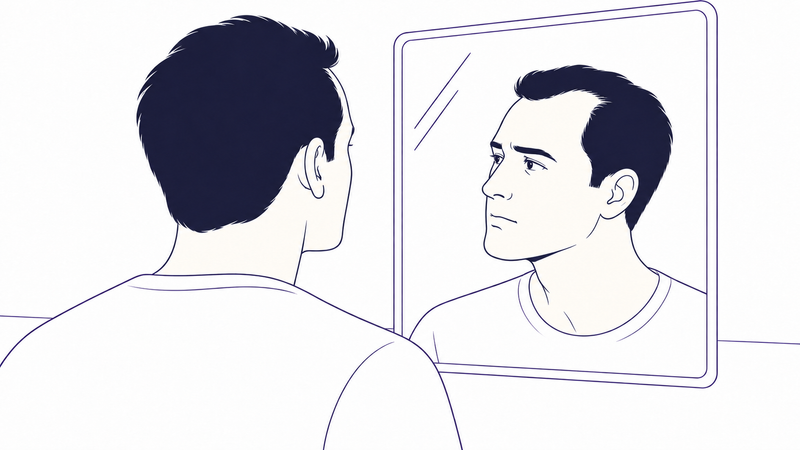
If you are balding, you should be able to see physical signs. These signs include a receding or widening hairline, thinning at the crown, or finding more loose hairs in your brush or shower drain than usual.
A healthy scalp typically has around 100,000 hair follicles, with 85-90% of those actively growing and 5-10% in the resting phase. Losing 100 hairs a day is normal in an ordinary hair cycle, and everyday shedding is not an indication of baldness. (1)
A better hallmark of baldness is not shedding but miniaturisation and thinning. One of the root causes of baldness is shrinking hair follicles, which causes hair to become thinner and finer. This can then result in weaker strands that are more likely to fall out. (2)
The Stages of Baldness
To help people understand if they may be experiencing hair loss, the Hamilton-Norwood scale grades male pattern baldness into seven specific stages:

Stage 1:
This is the stage before any noticeable hair loss has occurred. There are no clear recessions to the hairline or the crown, and hair has a full-bodied, healthy appearance.
Stage 2:
At this stage, there is a slight recession of the hairline around the temples, creating a shape that resembles an ‘M’, ‘V’ or ‘U’.
Stage 3:
Clear signs of balding become most notable at this stage, as the hairline pulls back more at the temples and crown.
Stage 4
By stage 4, a clear bald spot may begin to appear on the crown as the hairline continues to recede.
Stage 5:
At this stage, the receding hairline and balding crown have grown closer together and may only be separated by a thin, small bridge of remaining hair.
Stage 6:
By stage 6, there is now a large, single bald spot forming on top of the head as the receding hairline and crown meet.
Stage 7:
At this point, the top and crown are completely bare, leaving only a low, horseshoe-shaped band of fine hair around the back of the head.
What Causes Balding:
The most common cause of baldness is a condition called androgenetic alopecia, which accounts for 80% of baldness. (2) The condition is typically genetic and is caused by a hormone called dihydrotestosterone, also known as DHT. (2) DHT affects your hair follicles by binding to receptors and causing the follicles to shrink. It is the follicles’ sensitivity to DHT that affects hair loss, not the presence or level of the hormone itself. (2)

However, not all hair loss is caused by DHT or genetics. Balding can also be caused by two other conditions: Telogen effluvium and alopecia areata.
Telogen effluvium is a condition where excessive stress and cortisol cause the hair to prematurely enter the resting phase, which may result in an increase in shedding and hair loss. (3) Alopecia areata is an autoimmune disease in which the immune system attacks hair follicles, causing patches of bald spots and other forms of hair loss. (4)
How common is balding?
Balding is extremely common and the likelihood of hair loss increases with age. A study of 1,390 men in Australia aged 40-69 found that baldness rose from 31% at ages 40-55 to 53% at ages 65-69. (5)
In Australian women, hair loss also increased with age, from 12% among women in their 20s to over 57% among women aged 80 and older. (6)
Can baldness be prevented?
While you cannot completely prevent genetic balding, hair lost due to stress, hair pulling or nutritional deficits may regrow, depending on the individual and the underlying cause.
How to Reduce Hair Loss
While baldness cannot be prevented, it may be managed through the following methods:
Diet
Hair strength may be supported by eating foods rich in nutrients that support hair growth. (7) The best foods to support healthy hair growth include the following nutrients:
- Protein: Can be found in lean meats, poultry, seafood, eggs, tofu, legumes, nuts and whole grains.
- Iron: Can be found in red meat, leafy greens, lentils, iron-fortified cereals, dried fruits, seeds and nuts.
- Biotin (vitamin B7): Can be found in eggs, almonds, seeds, sweet potatoes, beef liver, pork, sunflower seeds, spinach and broccoli.
- Omega-3 fatty acids: Can be found in oily fish, flaxseeds, chia seeds, oysters, walnuts, soybeans, soy oil and canola oil.
- Zinc: Can be found in oysters, shellfish, red meat, dairy, legumes, nuts, seeds and whole grains.
- Folate: Can be found in dark leafy greens, legumes, nuts, fruits and meat.
Lifestyle
While genetics plays a large role in hair loss, certain lifestyle choices may also be causing early or excessive hair loss. While smoking is not a root cause of hair loss, it may contribute to thinning follicles and poor hair health. This is because smoking releases more than 7,000 chemicals into your body, which may disrupt and weaken your hair growth cycle. (8) The effects of vaping on hair health are less well studied.
A poor sleep routine may also be contributing to balding, as not getting enough rest may increase your stress levels, cause hormonal imbalances and disrupt your nutrient absorption. (9) Not getting enough sleep may also leave you more vulnerable to hair conditions like telogen effluvium.
Stress
High levels of stress may affect your hair health in many ways. Stress is recognised as a contributing factor of telogen effluvium and alopecia areata, and may also cause trichotillomania, a condition where you have a compulsive urge to pull out hair from the scalp or body as a coping response to stress. (10) Hair loss due to stress may be identified by the type of balding. Instead of distinct bald spots, the resting follicles result in thinning all over the scalp, particularly around the crown.
Balding due to stress may be reduced by learning good stress management, practising mindfulness and maintaining a balanced diet. If you have lost hair due to stress, it may take around 3-6 months to noticeably recover.
Treatment
Certain products and treatments may help to reduce balding. These treatments include:
- Prescription medications: Certain hair loss medications, such as finasteride (11) or minoxidil, are commonly prescribed to help reduce balding and hair loss. Please be advised that these treatments are only available after a consultation with an AHPRA-registered health practitioner.
- Procedural treatments: Hair transplant procedures, growth factor therapy are available from our AHPRA-registered doctors after an initial consultation. Our team will use the most relevant treatment for you.
‘The two main medications that we use are finasteride and minoxidil. One is primarily used to hold onto the hair that you have, and the other is used to help regrow hairs that become miniaturised.’
Hair Transplant Doctor Dr David Ballantyne (AHPRA No. MED0001212633, Registered medical practitioner, general registration)
Baldness treatments at Gro Clinics
Gro Clinics is a hair restoration clinic with AHPRA-registered practitioners. Our clinic is located in Auckland. Our registered doctors personally lead a bespoke hair restoration plan that we tailor to you, taking your scalp and hair health into account. We also ensure that staff are there to support you 3-6 months after your initial treatment.
The Gro Clinics service includes:
- A free 15-minute discovery call with a hair growth advisor.
- An in-person clinic assessment and scalp evaluation.
- AHPRA-registered practitioners.
- Structured, in-clinic training and hands-on education before performing or assisting in procedures for all medical and clinical teams.
- A refined approach to FUE called PFP (Precise Follicle Placement), designed for precision and consistency in follicle implantation. Individual results and recovery times may vary.
- Flexible payment options for eligible patients.
- Post-procedure support and annual check-ins.
Frequently Asked Questions
How do I tell if I am balding?
Some early signs of balding to look for include:
- Thinning hair: Shrinking hair follicles are one of the biggest signs of potential balding. Thinning hair may also make your crown appear thinner as hair density decreases on the top and back of the head.
- Receding hairline: As your hair begins thinning, it may begin moving backwards from the forehead, most noticeably near the temples.
- Increased shedding: losing more than 100 hairs a day is natural in hair cycles. Losing more than this may indicate a hair loss condition.
- Changing texture: As hair follicles shrink, your hair may appear thinner, shorter or finer, which may also make your hair take longer to grow.
What does stage 1 balding look like?
Stage 1 balding looks like a full, healthy head of hair and is the stage before any noticeable balding occurs. There are no notable recessions along the temple or crown and hair is dense and healthy.
In stage 2, there may be a noticeable but slight recession of the hairline around the temples which may appear as an M or V shape.
At what age does baldness begin?
Baldness may begin at any age after puberty, but this depends on multiple factors, such as genetics, health conditions and lifestyle factors. Signs like a receding hairline or thinning temples may appear in the late teens to the early 20s. (12)
Will I go bald if my parents aren’t?
Yes, you may still go bald even if your parents do not have a history of balding. This is because hair loss involves many different genes passed down from both sides of the family, not just the parents.
Stress, medical conditions and lifestyle factors may also contribute to balding without direct family genetics.
Can baldness be reversed?
Yes, baldness may be reversed, but this depends on the underlying cause of the baldness and whether the hair follicles are still active.
Hair lost due to stress, nutritional deficiencies, early traction alopecia and some types of hormonal imbalance may potentially regrow if treated early enough.
Genetic hair loss may be managed through treatment to thicken or replace hair, but this may require continuous, ongoing treatment.
Advanced bald spots, follicles that have completely shut down, and scar tissue cannot naturally be reversed.
Is 25 early to start balding?
No, depending on your genetics, it is possible to begin balding at 25. According to Mayo Clinic, around 25% of men notice the first signs of hair loss before 21. (12)
Can overthinking cause baldness?
Overthinking can potentially contribute to baldness due to raising levels of mental stress, which may contribute to hair thinning. Worrying, overthinking, and anxiety may raise cortisol levels, a hormone that may push hair follicles into a resting phase prematurely. This condition is known as telogen effluvium.
High stress may also cause the immune system to attack hair follicles (alopecia areata) or to pull hair as a coping mechanism (trichotillomania).
Can you stop balding if you catch it early?
Yes, depending on the root cause of the baldness, you may be able to prevent hair loss if you address the cause early enough. By acting quickly enough, you may also continue maintaining good hair health and manage other potential symptoms as they begin appearing.
Disclaimers
PFP is Gro's internal method under the broader FUE category and may not lead to different clinical outcomes. Results vary from person to person.
Individual results may vary. A consultation is required to determine suitability.
Results referenced from clinical studies are population-level findings and do not necessarily reflect outcomes other patients may experience.
This information is general in nature and does not constitute medical advice.