









Key Takeaways
Hair thinning can have many causes, including androgenetic alopecia, hormonal changes, some health conditions, major physical or psychological stressors, and confirmed nutritional deficiencies. Lifestyle and scalp factors may also contribute in some people, but they do not explain every case.
Thinning hair may also be an early warning sign of hair loss, which affects 85% of men in their lifetime and up to 55% of women (1). In this article, we will go through the most common causes of hair thinning, what hair thinning looks like in men and women and ways you may be able to treat your thinning hair.
Note that this information is general in nature and does not constitute medical advice. Individual results may vary. A consultation is required to determine suitability.
What causes hair to thin?
Thinning hair may be caused by many factors, including diet, health conditions and lifestyle. These factors may affect your hair follicles in different ways, such as:
- Androgenetic alopecia: This inherited form of hair loss causes susceptible follicles to miniaturise over time, producing progressively finer and shorter hairs.
- Telogen effluvium: Stress or shock may cause hair follicles to prematurely enter a resting phase, which may later cause notable hair shedding and thinning (2).
- Nutritional deficiencies: A confirmed deficiency, such as iron deficiency, or inadequate protein intake may contribute to shedding or changes in hair quality. Hair thinning alone does not establish that a deficiency is present.
“Genetics plays a significant role in male pattern baldness; however, there are other factors too, such as stress, health, medications and that all plays a significant role in initiating or causing the hair loss.”
What thinning hair looks like:
Thinning hair in men
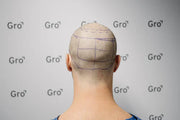
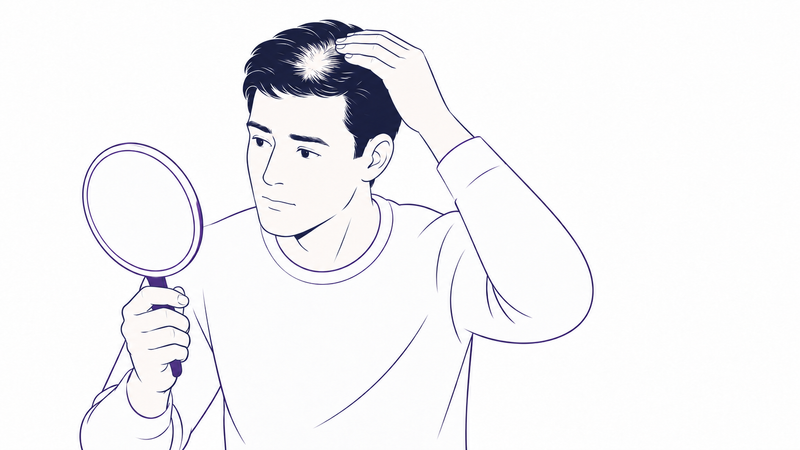
In men, thinning hair typically starts as a receding hairline. Depending on the shape of your head, it may form an ‘M’ or ‘U’ shape. It may also appear as clear bald patches across the scalp or as a visible thinning of the crown (3).

You may also notice more loose hairs on your pillow, in your shower or bath, or when you run your hands through your head.
Thinning hair in women
Thinning hair in women may be more subtle than in men. It typically involves a widening parting line instead of a receding hairline, with thinning beginning at the crown. Thinning hair may also cause more general scalp visibility in women or a noticeable change in hair texture.

Your hair may also be thinning more if you notice an excessive amount of shedding in your brush, drain or on your shoulders.
How is thinning hair diagnosed?
Typically, thinning hair may be diagnosed by a registered doctor performing a physical examination of the scalp and checking your medical history. They may also perform a specialised test like a pull test, trichoscopy, or scalp biopsy to pinpoint the cause (2).
At Gro Clinics, our hair examination and restoration approach is performed by registered doctors and is designed for long-term results.

Reasons your hair may be thinning:
In order to reduce or treat thinning hair, it is important to identify the main cause. Potential reasons your hair could be thinning include:
Medication
Certain medications may be affecting your hair health and causing your hair to become thinner. Medications that may cause hair thinning include:
- Chemotherapy treatments
- Blood thinners
- Antidepressants and mood stabilisers
- Blood pressure medication
- Hormonal medication
- Weight loss drugs
If you suspect your medication is affecting your hair health, it is important that you do not stop taking it. First, you should consult with your health care professional so they can determine a solution. You may need to switch medications, lower your dosage or begin a different form of treatment.
Nutrition
Hair growth can be affected when a clinically significant nutritional deficiency or inadequate intake is present. However, not every case of thinning hair is caused by diet, and supplementation is not automatically helpful without an identified deficiency.
Nutrients involved in normal hair growth include:
- Iron
- Protein
- Vitamin D
- Zinc
- Biotin (vitamin B7)
If a healthcare professional identifies inadequate intake or a deficiency, dietary changes or treatment may be recommended. Check out our guide to foods that support healthy hair growth for general information.
Health conditions
Certain health conditions may disrupt the hair growth cycle, cause nutrient deficiencies, affect scalp and skin conditions or create hormonal imbalances, causing hair thinning or hair loss. Health conditions that may be affecting your hair include:
- Hormonal imbalances: Thyroid disease, polycystic ovary syndrome, pregnancy and menopause may have an effect on your general hormone levels, which may trigger hair thinning.
- Autoimmune conditions: Alopecia areata occurs when the immune system targets hair follicles and typically causes patchy, non-scarring hair loss. Lupus and other autoimmune conditions can affect hair through different mechanisms and may require different treatment.
- Inflammatory scalp conditions: Psoriasis and seborrhoeic dermatitis are inflammatory conditions, not infections. They can cause scalp inflammation, scale and irritation and may be associated with temporary shedding, particularly when the scalp is inflamed or scratched.
- Nutritional deficiencies: A lack of essential nutrients, either through diet or other health conditions, may be affecting the health of your hair follicles and affecting hair growth.
Lifestyle changes
Lifestyle factors may be associated with hair and scalp health, but they are not always a direct cause of thinning. Some research has found associations between poor sleep and certain forms of hair loss; poor sleep on its own does not establish the cause of an individual's hair thinning.
Smoking has been associated with some forms of hair loss, while evidence about alcohol is less direct. Reducing smoking and excessive alcohol intake supports general health, but may not reverse hair thinning caused by genetic, autoimmune or scarring conditions.
Stress
Major physical or psychological stress can trigger telogen effluvium in some people, causing more follicles to enter the resting phase before increased shedding becomes noticeable. Alopecia areata is an autoimmune condition and should not be described simply as stress-induced hair loss. Trichotillomania is a hair-pulling disorder that can be associated with stress or anxiety but has a different cause and requires its own assessment.
Stress management may support general wellbeing and sleep. If a significant stressor has triggered telogen effluvium, shedding often improves after the trigger resolves, although the timing varies and other causes should be considered.
Hair care routines
Some common daily hair habits may not be healthy for your hair and may be causing thinning. These include:
- Tight hairstyles/headwear: Routinely pulling your hair into tight hairstyles like high, slicked-back ponytails, buns, braids or dreadlocks may pull out the hair, resulting in damaged follicles and thinner hair regrowth.
- Washing habits: Scrubbing soaking wet hair too hard may cause you to pull out hair and damage follicles. You may also be brushing or detangling too roughly while the hair is wet, causing more hair loss.
- Heat and chemical processing: Frequent high heat, bleaching, colouring or perming can damage the hair shaft and increase breakage. Sulphates are cleansing agents and parabens are preservatives; their presence alone does not mean a product causes follicular hair loss, although an irritating product may aggravate a sensitive scalp.
How to treat thinning hair:
Depending on the root cause of your thinning hair, you may be able to rescue or recover your hair and encourage a healthier scalp. Here are a few treatments and choices you can make to treat thinning hair:
Diet
A balanced diet can support normal hair growth, particularly when it corrects an inadequate intake or confirmed deficiency. Food alone is unlikely to treat every cause of thinning hair. Sources of relevant nutrients include:
| Nutrient | Food Source | Vegetarian food source | Vegan food source |
|---|---|---|---|
| Iron | Lean beef, liver, oysters, clams | Eggs, fortified breakfast cereals | Lentils, spinach, tofu, chickpeas, pumpkin seeds |
| Protein | Chicken, salmon, lean beef, tuna | Greek yogurt, cottage cheese, eggs | Tofu, tempeh, edamame, lentils, quinoa |
| Vitamin D* | Salmon, sardines, tuna, cod liver oil | Eggs, fortified dairy milk | Fortified plant milks, UV-exposed mushrooms, fortified cereals |
| Zinc | Oysters, beef, crab, pork | Cheese, eggs | Pumpkin seeds, chickpeas, lentils, cashews, hemp seeds |
| Biotin (vitamin B7) | Liver, salmon, egg yolks | Eggs, milk, yogurt | Almonds, peanuts, sunflower seeds, sweet potatoes, oats |
* Vitamin D status is influenced by several factors, including diet and sun exposure. Seek individual advice about safe sun exposure, testing or supplementation.
Lifestyle changes
Healthier lifestyle choices can support general wellbeing and may help where a relevant trigger or deficiency is present. They do not reliably reverse every form of hair loss. Useful measures include quitting smoking, eating a balanced diet, practising gentler haircare and limiting excessive alcohol intake.
For gentler hair care, avoid tight hairstyles or headwear, aggressive brushing and frequent high-heat or chemical processing. If a product irritates your scalp, stop using it and seek advice if the irritation persists; the presence of sulphates or parabens alone does not show that a product causes hair loss.
Stress management
Stress-management techniques may support wellbeing and sleep. Evidence that they directly reverse hair thinning is limited, but reducing or resolving a major stressor may help when telogen effluvium has been clinically identified.
Options include mindfulness, meditation and regular moderate exercise. These approaches are supportive rather than substitutes for assessing persistent, sudden or patchy hair loss.
Medical treatment
Depending on the underlying cause of your hair thinning, you may be able to use medical treatments and therapies to reduce your hair thinning. Treatments that may be prescribed to deal with thinning hair include:
- Procedural treatments: For more advanced conditions, a medical professional may suggest low-level laser therapy, growth factor therapy, or a hair transplant procedure. (5)(6)
Disclaimer: This information is general in nature and does not constitute medical advice. Individual results may vary. A consultation is required to determine suitability.
Hair Growth at Gro Clinics
Gro Clinics offers hair restoration care in Auckland, New Zealand. A consultation is required to assess suitability.
The Gro Clinics service includes:
- A free 15-minute discovery call with a hair growth advisor.
- An in-person conversation with our team and scalp evaluation.
- Registered practitioners.
- Structured, in-clinic training and hands-on education before performing or assisting in procedures for all medical and clinical teams.
- Flexible payment options for eligible patients.
- Post-procedure support and annual check-ins.
Hair thinning FAQs
Can thinning hair grow back?
Yes, thinning hair may be able to grow back if the root cause of the thinning can be treated. However, success may depend on how soon the condition may be treated and whether there are any hair follicles still alive and healthy.
What vitamins am I lacking if my hair is falling out?
Deficiencies in certain vitamins and minerals can be associated with hair shedding, but symptoms alone cannot identify which nutrient, if any, is low. A healthcare professional may consider diet, medical history and testing before recommending supplements. Nutrients sometimes assessed include:
- Vitamin D: Low levels have been reported in some people with hair-loss conditions, although the relationship and benefit of supplementation vary.
- Biotin: True deficiency can affect hair, but it is uncommon and routine high-dose supplementation is not appropriate for everyone.
- Vitamin B12: Deficiency may be considered when clinical history or other symptoms suggest it.
- Iron: Iron deficiency can be associated with diffuse shedding and should be confirmed before treatment.
- Zinc: Deficiency can affect hair growth, but unnecessary supplementation can also cause harm.
What foods should you avoid for hair loss?
No single food needs to be avoided by everyone with hair loss, and cutting foods out without evidence of a deficiency, excess or allergy is more likely to cause a problem than solve one. The overall dietary pattern matters more than any one item. Points sometimes raised in relation to hair and scalp health include:
- Refined sugars and simple carbohydrates: Diets high in refined carbohydrates are associated with poorer general health, and some studies have reported an association with androgenetic alopecia. Whether changing them alters hair loss has not been established.
- Fried and heavily processed foods: These tend to be energy dense and low in the nutrients involved in normal hair growth. That is a general dietary point rather than a demonstrated cause of hair thinning.
- High-mercury fish: Swordfish, king mackerel and some tuna are limited for general health reasons, particularly in pregnancy. Mercury is not an established cause of pattern hair loss.
- Very restrictive or rapid weight loss diets: A sharp drop in energy and protein intake is a recognised trigger for telogen effluvium, so a sudden change in how much you eat is more relevant than any individual food.
If diet, rapid weight loss or a possible nutrient deficiency may be contributing, discuss testing and dietary advice with a healthcare professional.
What not to do when hair is thinning?
If you have noticed your hair thinning, avoid tight hairstyles, excessive heat and frequent bleaching, and manage major stressors where practical. A balanced diet and gentle scalp care can support general hair health, but persistent, sudden or patchy hair loss should be assessed rather than managed through lifestyle changes alone.
Which organ is linked to hair loss?
Hair loss is not usually linked to one or two organs. Thyroid disorders can disrupt the hair growth cycle, and significant liver disease or other systemic illness can sometimes be associated with shedding, but neither finding explains most cases. Hair loss has many possible causes, so assessment should be based on the pattern, timing, medical history and any accompanying symptoms.
Can I naturally reduce thinning hair?
Sometimes, depending on the cause. Correcting a confirmed deficiency, avoiding traction and reducing damaging hair practices may help in relevant cases. Sleep, stress management, a balanced diet and not smoking support general health, but they do not reliably reverse androgenetic alopecia, alopecia areata or scarring hair loss.

References
- 1. Comorbidities in Androgenetic Alopecia: A Comprehensive Review, Dermatology and Therapy, 2022
- 2. Practical Approach to Hair Loss Diagnosis, Indian Journal of Plastic Surgery, 2021
- 3. Male Androgenetic Alopecia, Endotext, 2023
- 4. Minoxidil: a comprehensive review, Journal of Dermatological Treatment, 2022
- 5. Low level laser therapy and hair regrowth: an evidence-based review, Lasers in Medical Science, 2016
- 6. Platelet-Rich Plasma Effectiveness in Treating Androgenetic Alopecia: A Comprehensive Evaluation, Cureus, 2025