









Aging is inevitable, but how we appear as we age is influenced by several visible changes—like fine lines, or changes in hair. When it comes to looking older, two hair-related concerns often come up: thinning hair and greying hair.
This article explores the impact each can have on your appearance and what you can do if you’re concerned about hair loss or receding hairlines.
What’s the Difference Between Thinning, Receding, and Greying?
Hair is one of the most visually defining features of your appearance. For many men, maintaining a thick, well-groomed hairstyle helps reinforce a perception of vitality and confidence. But with age, hair may begin to recede, thin out, or lose pigment—and these changes can affect how old others perceive you to be.
While over 50% of men show visible hair loss by the age of 40, more than 70% of people between 45–65 will experience at least some degree of greying. Grey hair is often associated with experience or maturity, but thinning or receding hair may be more closely linked to aging or health in the eyes of others.
There’s no single answer for which has a greater impact—it depends on genetics, lifestyle, and how comfortable someone feels with the change. Some may embrace grey hair, while others may feel more affected by hair density and hairline recession.
Hair Restoration Options
Grey hair is often easier to address with dye or by embracing a natural silver look. However, receding and thinning hair typically requires a more strategic approach depending on the cause and stage of loss.
If the hair is thinning or the hairline is receding, certain styles may temporarily create the appearance of fuller hair. However, as the density decreases, options like hair fibres, comb-overs, or long styles become harder to maintain naturally.
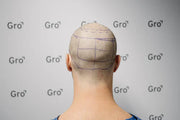
At Gro Clinics, we offer personalised guidance for men experiencing hair loss, starting with a one-on-one consultation. Our doctors perform hair transplant procedures using a technique that focuses on precision, comfort and natural results. Follicles are taken from the back and sides—areas genetically less prone to balding—and are placed in thinning or receding areas to encourage regrowth.
Not everyone is ready or suitable for a hair transplant. That's why we also provide access to prescription hair care, which may help prevent further loss and support hair health. Learn more about prescription treatments here.
Choosing the Right Next Step
If you’re unsure where to begin, start with a free consultation. Our Hair Growth Advisors are here to assess your scalp health, discuss your goals, and outline suitable options. We also offer online consults via our Gro Online Clinic.