







Can Lifting Weights Affect Hair Loss in Men?
Many men who are focused on fitness notice changes in their hair over time—often wondering if there’s a connection between working out and hair loss. While staying active has clear health benefits, there are some biological factors worth understanding if you're experiencing hair thinning.
The Link Between Exercise, Testosterone and Hair Follicles
Testosterone plays a central role in various bodily functions—including muscle development and hair growth. However, its by-product, dihydrotestosterone (DHT), has been linked to a type of hair loss known as androgenetic alopecia (male pattern hair loss).
Weightlifting and Hormonal Response
- Resistance training and strength workouts can temporarily raise testosterone levels.
- In men with a genetic predisposition to androgenetic alopecia, testosterone may convert to DHT.
- DHT can bind to scalp hair follicles, potentially contributing to gradual follicle miniaturisation.
Not everyone who lifts weights will experience hair loss. Genetic factors play a major role. But if hair thinning is a concern, it’s worth looking at a few contributing factors in more detail.
What Is Androgenetic Alopecia?
Androgenetic alopecia is the most common form of hair loss in men. It’s primarily driven by inherited sensitivity to DHT, which can cause scalp hair follicles to gradually shrink.
Over time, this can lead to:
- Thinner hair strands
- Shorter hair growth cycles
- Eventually, reduced visible hair density
While weightlifting alone does not cause hair loss, the hormonal shifts associated with resistance training may influence existing genetic factors.
Can Supplements Affect Hair?
Some gym-goers use supplements like creatine, DHEA, or testosterone boosters. Research into their effects on DHT levels is ongoing, and results are mixed.
If you’re experiencing hair changes and taking supplements, it may be helpful to review them with a healthcare professional.
What Options Are Available?
If you’re noticing signs of hair thinning, there are different strategies that may help, depending on your goals and circumstances.
Adjusting Your Workout Routine
- Incorporate more cardiovascular exercise to balance hormone levels
- Limit excessive reliance on testosterone-boosting supplements
Explore Prescription Hair Care Options
There are prescription treatments that may support hair maintenance in people with androgenetic alopecia. If clinically appropriate, a doctor may prescribe topical or oral therapies.
You can learn more about these options here.
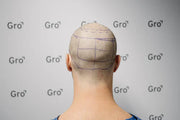
Consider a Hair Transplant Procedure
For individuals seeking a more permanent solution, a hair transplant may be an option. At Gro Clinics, all procedures are doctor-performed or doctor-overseen, using your own hair follicles for natural-looking results.
To understand if you're a suitable candidate, start with a consultation. All consultations are conducted with a hair growth advisor.
Where to Get Support
Gro Clinics offers personalised consultations across Australia and New Zealand. Find a location near you:
Book a consultation with a Gro advisor or call 1300 787 563 for more information.