








Key Takeaways
- Creatine is a natural supplement used by many people as part of a physical fitness and training program.
- While a 2009 study and anecdotes may suggest that creatine may cause hair loss, there is currently no conclusive scientific evidence or research to suggest a link between the two.
- Genetics, stress, diet, hormonal changes, and illness are far more likely to cause actual hair loss.
- If you do notice your hair thinning, a consultation with a qualified practitioner may help assess possible causes and discuss appropriate management options.
Hair loss can have many different causes, which may lead to stress and dismay for those affected. But does creatine cause hair loss?
In this article, we'll explore how creatine supplementation can affect the
body and whether creatine can contribute to hair thinning and baldness.
What is Creatine?
Creatine monohydrate is a naturally occurring compound that leads to increased muscle mass and improved athletic performance. You can produce creatine in your body via your liver, kidneys and pancreas, and it can also be found in foods such as fish and red meat.
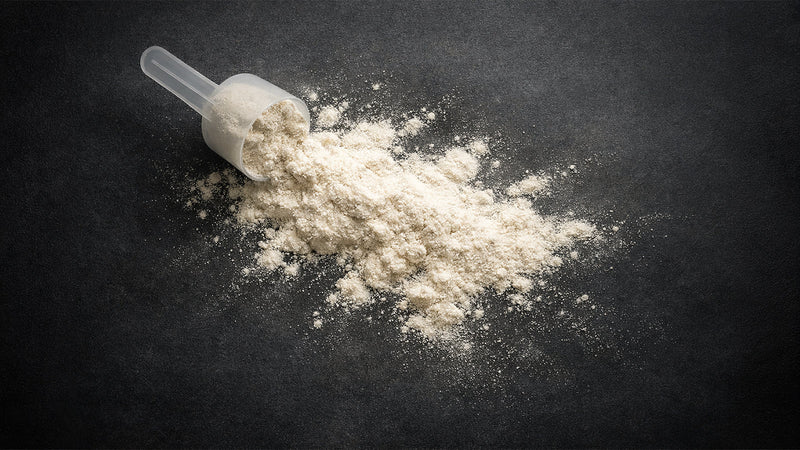
Creatine supplements, usually consisting of white powder taken with water, may also be used to foster additional muscle growth for athletes and bodybuilders.
How does creatine work?
Creatine produces adenosine triphosphate (ATP) in your body. An increase in ATP causes your muscles to contract more quickly and provides an additional energy source. Having quicker muscle contractions and additional energy aids in achieving exercise and fitness goals. This can lead to increased muscle mass and muscle strength, and support endurance training.
Creatine and Hair Loss
At present, there is no strong evidence to suggest that creatine supplementation can cause individuals to experience hair loss. Much of the concern surrounding creatine and hair loss stems from a 2009 study of South African football players, which reported an increase in dihydrotestosterone (DHT). However, this trial did not take into account long-term hair loss or hair density, and its results have not been replicated since.
Side Effects of Taking Creatine
Creatine supplements generally improve athletic performance in healthy individuals and current research has not established a direct link between creatine supplementation and hair loss. There are, however, some other concerns and side effects that people may have around creatine use.
Water Retention
Water retention is the most commonly reported side effect of creatine supplementation, especially for beginner users. This is because creatine is carried to your muscles via salt, which attaches to water. However, the proportion of muscle mass to water in your body typically remains the same when taking creatine.
Kidney Issues
Many people are concerned that taking creatine can impede kidney function. Most research has found no evidence of kidney harm in healthy individuals using recommended doses, though those with existing kidney conditions should consult a healthcare professional.
Dehydration
Alongside water retention, a common concern of creatine users is dehydration. Generally speaking, this is unlikely to occur with moderate, consistent usage of creatine. Most cases of dehydration while using creatine can be attributed to the natural sweating that occurs during high-intensity exercise.
Muscle Cramps
Many individuals report muscle cramps when using creatine. This can mostly be attributed to increased physical activity or to beginner users taking higher-than-recommended amounts. Once individuals adjust their creatine intake to normal levels, these effects largely disappear.
Addressing Your Hair Loss
Creatine and hair loss may not be directly linked, but that does not mean that experiencing hair loss isn’t distressing. If you do take creatine and notice hair thinning, it could be a sign of disrupted hormone levels or other health conditions that could be contributing to balding.
When you book a consultation with Gro Clinics, our team can assess your hair loss concerns and guide you on possible next steps. Where appropriate, you may be referred to a doctor for further medical assessment, to determine potential causes or genetic predispositions that may be affecting you, and suggest treatment options that can help address your condition.
Contact Gro Clinics today, and find out how you could take charge of your hair loss.
Frequently Asked Questions
What is creatine used for?
Creatine is a supplement used by individuals who wish to improve their athletic performance and in turn, increase their muscle mass. It's often used by athletes, bodybuilders, and other regular gym goers.
Does creatine cause hair loss in females?
No. There is currently limited evidence suggesting a direct link between creatine supplementation and hair loss.. Any increase in DHT levels or baldness reported by creatine users likely has another unrelated cause, such as a family history of balding or medical treatments that may cause it.
How much creatine is safe to take?
In adults, A commonly recommended dose is around 3 to 5 grams per day, for long-term users looking to get the muscle-building and athletic performance benefits that creatine is known for.
What effect does creatine have on the body?
Creatine supports the production of ATP in the body during strenuous exercise. This, in turn, can lead to increased lean strength and muscle mass gains, as well as an increase in athletic ability that naturally comes with a higher volume of training.
When should you see a doctor for hair loss?
You should see a doctor if your hair loss is sudden, becomes patchy, and is accompanied by significant hair thinning and shedding. While male pattern baldness can account for some loss, any rapid thinning could be caused by other factors that may require the intervention of a doctor.
If you are concerned about your hair loss, contact Gro Clinics. Our team will take the time to examine your case, determine what could be causing your balding, and advise on your next steps to address it.
Is creatine a steroid?
No, creatine is not a steroid. It is produced naturally by the body and can be found in some foods, whereas steroids are a synthetic substance that aims to replicate the effects of testosterone on users. While creatine is widely used in sports nutrition, steroid use can have serious negative side effects, and they are banned by most athletic bodies.